
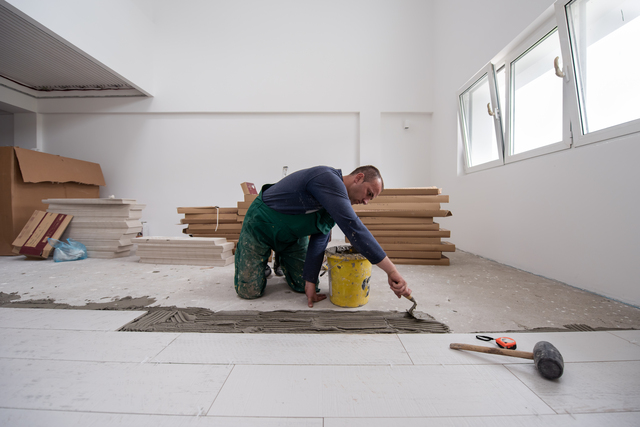
Did you know a new floor could boost your home’s resale value by up to 10%? If you’re planning a renovation, big or small, picking the right flooring is key. It shapes the look and feel, how the space works, and even the home’s value. This guide will show you the best flooring choices. You’ll learn about their advantages, how much they cost, and where they fit best in your home.

Key Takeaways
- Understanding the impact of your flooring choice on your renovation project is essential for achieving an aesthetically pleasing result.
- Different flooring options cater to various preferences, budgets, and usage requirements.
- Longevity, maintenance, and installation are key factors to consider when selecting the right flooring.
- Correct flooring selection can significantly enhance your home’s value.
- Explore different materials like hardwood, laminate, vinyl, and ceramic tile for versatile renovation ideas.
Hardwood Flooring: A Classic and Timeless Choice
Hardwood flooring stands out as a top choice for many. It blends timeless appeal with classic beauty. Its versatility and charm fit perfectly in any home, modern or old. Wood floors add elegance and a welcoming feel to any space, thanks to their rich grains and warm colors.
Types of Hardwood Flooring
Different types of hardwood flooring meet various needs and styles:
- Solid Wood: This type comes from a single wood piece and can be refinished many times. It lasts a long time.
- Engineered Wood: Made of layers, engineered wood handles changes in temperature and humidity well. It’s great for places solid wood isn’t.
- Reclaimed Wood Flooring: Reclaimed wood is eco-friendly, made from salvaged wood from old buildings. It’s a way to reuse materials instead of wasting them.
Pros and Cons of Hardwood Flooring
Hardwood floors have both upsides and downsides. They add warmth and luxury, boosting a home’s value. They’re long-lasting if taken care of properly. Yet, they can get scratched and damaged by water. So, they need careful maintenance compared to other floors.
Best Areas for Hardwood Flooring
Hardwood is best for low-moisture areas. It’s great in living rooms, dining areas, and bedrooms. Here, its beauty and warmth shine the most. However, avoid putting it in bathrooms and kitchens. The wood might get damaged by the high moisture in these rooms.
Laminate Flooring: A Budget-friendly Alternative
Laminate flooring is a top pick for those fixing up their places. It’s budget-friendly, offering the look of pricey floors. It’s strong and has lots of styles, making it a go-to for many. Plus, setting it up and keeping it clean is simple, helping homeowners upgrade on a budget.
Advantages of Laminate Flooring
Laminate flooring is great because it’s not too expensive. It looks like wood or stone but costs less. It’s tough against marks and spills, perfect for busy spots and families with kids or pets. Also, installing it is a breeze with its snap-together design.
Laminate Flooring Construction
Layers make laminate flooring tough. The top layer fights off scratches and wear. The next one has sharp photos that copy wood or stone looks. The core layer adds strength with dense fiberboard. These layers help laminate flooring last long, making it a favorite.

Vinyl Flooring: Versatile and Water-Resistant
Today, many homeowners look for flooring that’s not just stylish but also practical. Vinyl flooring stands out as a top choice. It’s versatile and water-resistant, perfect for different areas in your home.
Types of Vinyl Flooring
There are various types of vinyl flooring, each with unique benefits:
- Sheet Vinyl: It offers a seamless look and is cost-effective. It’s great for wet areas like bathrooms and kitchens because it’s water-resistant.
- Luxury Vinyl Plank (LVP): LVP looks just like real wood and is very tough. It’s a great option for places that get a lot of foot traffic.
- Luxury Vinyl Tile (LVT): LVT resembles stone or ceramic tiles but is softer and warmer underfoot. It’s versatile for any room’s flooring needs.

Vinyl Flooring Benefits
Vinyl flooring is loved for being water-resistant. It’s ideal for wet areas like bathrooms, kitchens, and laundry rooms. It’s also easy to keep clean with just regular sweeping and mopping. Plus, it can handle high traffic, ensuring it lasts a long time.
Luxury vinyl floors also boost a room’s look with styles that mimic wood, stone, or tile. Whether you choose vinyl plank or another type, there’s a wide range of designs. This means you won’t have to sacrifice style for utility. Installing vinyl flooring is also straightforward, with many options offering a simple click-and-lock system. This makes it easy for those who like to do projects themselves.
The mix of practical features and style makes vinyl flooring a popular choice for modern updates. It offers sustainable, high-performance flooring solutions for every home.
Top Flooring Options for Renovation Projects
When starting a renovation, knowing the various flooring options boosts your home’s look and use. Each flooring type has benefits for different needs, especially in high-traffic areas.
Hardwood flooring is great for those who love classic beauty. It brings elegance and lasts long. But, it’s not the best for damp places.
For saving money, laminate flooring is an excellent option. It looks like hardwood but resists scratches and dents better.
Vinyl flooring is good for its flexibility and resistance to water. This makes it a smart pick for bathrooms and kitchens. It also comes in many designs, letting owners match their style.
If you need flooring for high-traffic areas, ceramic tile is a top choice. It’s strong, easy to clean, and perfect for places like foyers and hallways.
Looking at these various flooring options helps you make informed decisions that fit your life and style. Picking the right flooring changes the game, whether it’s for a room or the whole house.
Ceramic Tile Flooring: Ideal for High-Traffic Areas
For high-traffic areas like the kitchen and bathroom, ceramic tile is a top choice. It’s tough and can handle lots of footsteps. Plus, it’s great at fighting stains and water, keeping your floors looking new and easy to clean.
You can pick from many styles, patterns, and colors of ceramic tile flooring. Whether you love classic or modern looks, ceramic tile lets you create the perfect vibe for your space.
Ceramic tile stands up well over time, making it a smart pick for places that get a lot of use. It doesn’t wear down or need to be replaced often. So, your initial cost pays off for many years.
Adding tile flooring to busy parts of your home means less upkeep and a floor that can take daily wear and tear. It’s a solid choice for keeping your space functional and stylish.
Conclusion
Finding the right floor for your makeover can feel like a big task with so many options out there. You’ve got the classic beauty of wood floors, budget-friendly laminate, versatile vinyl, and tough ceramic tile. Each type has its perks, depending on what you need. It’s key to choose wisely, thinking about your budget and how you live, to find the best fit for your home.
Think about where the flooring will go, how much foot traffic it’ll get, and how much effort you want to put into upkeep. Wood floors bring warmth and style, perfect for bedrooms and dining areas. Laminate is more affordable and great for busy spots. Vinyl is water-resistant and fits well in kitchens and baths. Ceramic tiles are tough and easy to keep up, ideal for high-traffic zones.
As you dive into updating your floors, think about the impact each type will have on the look and mood of your home. Knowing the key features of each kind of flooring can help you choose right. This will boost both your home’s function and fashion. Go ahead with what you’ve learned from this guide. Pick the flooring that meets your needs and watch your living spaces transform.
What is the best type of flooring for a renovation project?
The best type of flooring for your renovation project depends on your specific needs, including style preferences, budget, and the room’s function. Popular options include hardwood, engineered wood, laminate, and luxury vinyl. Each offers different flooring materials that cater to various aesthetics and durability.
What are the benefits of using engineered wood as a flooring option?
Engineered wood is an excellent flooring option because it combines the beauty of natural wood with enhanced durability. It’s more resistant to moisture than solid wood, making it ideal for areas prone to water spills. Additionally, it is easy to install and can be paired with various underlayment options for added comfort.
How do I choose the right flooring materials for my home?
Choosing the right flooring materials involves considering your lifestyle, budget, and aesthetic desires. Think about factors like moisture resistance, ease of maintenance, and traffic in the area. Research different flooring options like cork, bamboo, and natural stone to find the ideal flooring that matches your needs.
Are there sustainable flooring options available?
Absolutely! There are many sustainable flooring options available, such as bamboo flooring and cork flooring. These materials are eco-friendly and renewable, making them great choices for environmentally conscious homeowners looking to minimize their carbon footprint while renovating.
What should I consider when selecting flooring for a high-traffic area?
When selecting flooring for a high-traffic area, consider options that are extremely durable and easy to maintain. Hard flooring materials like ceramic tiles or luxury vinyl are often recommended for their resistance to wear and tear. Additionally, look for flooring that can withstand water spills and has a high resistance to scratches.
Q: How does polyurethane finish affect the longevity of flooring?
A: Polyurethane finish significantly enhances the longevity of flooring by providing a protective layer that guards against scratches, stains, and moisture. This is especially important for wood flooring, as it helps maintain its appearance and durability over time, making it a popular choice for those looking to maximize their flooring investment.
What is the easiest type of flooring to install for a DIY project?
Laminate flooring is considered one of the easiest types of flooring to install for a DIY project. It usually comes with a click-lock system that allows for straightforward installation without the need for glue or nails. Additionally, many manufacturers offer flooring installation guides to assist with the process.
Can I install new flooring over existing floors?
Yes, in many cases, you can install new flooring over existing floors, but it’s important to evaluate the condition of the subfloor first. Ensure that the existing floors are level, clean, and free from moisture. Certain flooring materials, like laminate and luxury vinyl, can often be installed directly over existing surfaces, making for a quicker renovation process.
What are the pros and cons of using floor tiles in renovations?
Floor tiles offer various advantages, such as being extremely durable, easy to maintain, and available in numerous designs. However, they can be cold and hard underfoot, which may not be ideal for all spaces. Additionally, installation can be more complex compared to other flooring options, so consider hiring a professional if you’re unsure about the process.