
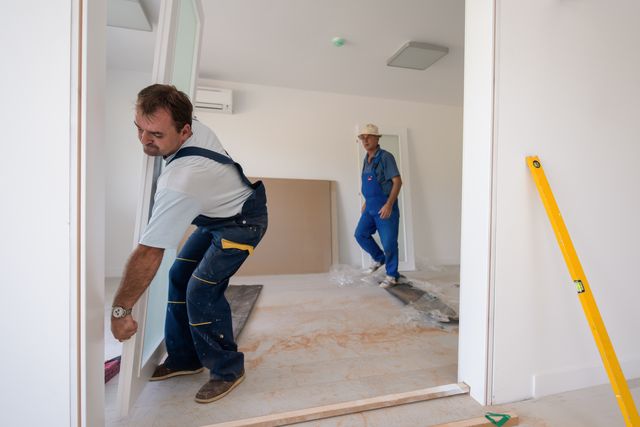
Ever thought your house might be signalling you? It’s crucial to spot the signs your home needs renovations. This can prevent extra expenses and stress later. Spotting outdated styles or structural problems is key. It keeps your home’s value and comfort up. In this piece, we’ll check out the top 10 signs pointing to a needed home remodel. This will help you make smart choices on planning your renovation work.

Key Takeaways
- Understand the importance of recognizing signs of wear and tear in your home.
- Learn how outdated designs can impact your home’s value and appeal.
- Identify inefficiencies that could be costing you more money in the long run.
- Discover how modernizing your home can enhance functionality and comfort.
- Get equipped with knowledge for planning your renovation effectively.
Outdated Design and Decor
Noticing an outdated design in your home can lead to exciting changes. It’s the chance to make your home look better and could also increase its value. We’ll show you how to mix trendy styles and timeless designs. This mix can boost your home’s worth.
Trendy Styles vs Timeless Designs
It’s important to know the difference between trendy styles and timeless designs when updating your home. Trends can give your home a modern look but might not last long. Choosing a mix of new and classic elements can keep your home looking good for years. It also makes it attractive to more buyers.
The Impact on Home Value
Remodeling outdated design areas can really raise your home’s value. Mixing trendy styles and timeless designs improves how it looks and its appeal on the market. Homes that are updated tend to get better offers because they look great and are ready to live in.
Making your home better by updating outdated designs is wise. Adding both new trends and timeless looks can make your home a better place to be. It can also greatly increase what your home is worth.
Noticeable Wear and Tear
Homes start to show wear and tear as they get older. Fixing these issues right away can stop more damage. We will look at two main signs of a home aging that you should not ignore.
Cracks in the Walls
Cracks in the walls mean your house might need fixing. They happen for many reasons like the house settling, changes in temperature, or not being built well. Small cracks can turn into big problems if you ignore them.
To fix wall cracks, you need to know why they’re there. Talking to an expert can help you figure out what to do. You might just need to fill them in, but big cracks could mean you need to do a lot of fixing up.
Peeling Paint and Wallpaper
Peeling paint and wallpaper also show your house is getting old. This not only looks bad but might mean there are hidden problems like too much moisture or not enough fresh air. If your paint or wallpaper is coming off, it’s time to fix up your home.
This peeling could lead to worse damage, like mold. By dealing with the main problem quickly, you can avoid health risks and save your house from more damage. You might need to improve air flow or fix moisture problems or even redo a room for a better look.
Watching for these signs and acting fast can save you from big repairs. It keeps your home safe and nice to live in.
Roof and Ceiling Issues
When you see problems with your roof and ceiling, it’s important to act fast. Leaving them alone can cause water damage and lead to expensive fixes. Knowing the signs that your home needs fixing can save you a lot of trouble later.
Leaky Roof
A leaking roof means trouble is on the way. If ignored, it can cause big water damage. To fix a leak, the first thing to do is find where the water’s coming from. Look for any wet spots or places where water could come in. Making sure your roof’s integrity is checked regularly helps prevent bigger issues.
Water Stains on Ceilings
Water stains on your ceiling are a bad sign. They usually mean there’s a leak and possibly damage to your house’s structure. If you see these stains, it’s very important to find out where they’re coming from. A roof that shows water stains needs to be looked at right away, hinting at problems you can’t see. Keeping up with regular checks can stop small problems from turning into big repairs.
Inefficient Energy Usage
Seeing your energy bills go up can mean your home needs work. Often, high energy costs come from things like old heating systems, bad windows, and poor insulation. Making your home more energy-efficient isn’t just for lowering high energy bills. It also makes your home more comfortable and eco-friendly.

High Energy Bills
High energy bills are a big hint that your home’s using too much energy. Spending too much on keeping your place warm or cool might be because of old equipment or poor insulation. Upgrading your home to be more energy-smart can cut down on these costs.
Poor Insulation
Poor insulation often leads to wasting energy. If your home isn’t well insulated, it needs more power to stay warm or cool. By improving your insulation, you make your home use less energy and help the environment. Projects that boost insulation and efficiency show it’s time for home improvements, leading to savings and a higher home value.
Signs Your Home Needs Renovations
Knowing when it’s time to renovate your home is crucial. It helps keep the value and function of your property. Being aware of the 10 signs your home needs updates can help. You can fix problems before they get too big. This way, you prevent small issues from turning into big ones.
- Outdated design and decor that scream for a modern touch.
- Noticeable wear and tear, such as cracks in the walls and peeling paint.
- Roof and ceiling issues, including leaky roofs and water stains.
- Sky-high energy bills signaling inefficient energy usage.
- Recognising the signs of old and worn-out appliances and fixtures.
- Structural and foundation issues like cracks and uneven floors.
If you notice the recognising the signs we talked about, it might be time for a home renovation. Taking action early helps. It ensures your home stays nice, safe, and appealing for many years.
Outdated Appliances and Fixtures
Updating outdated appliances and fixtures is not just for looks; it improves your home’s functionality and cuts down on maintenance. Upgrading areas like kitchens and bathrooms can make your home feel new again and increase its value a lot.
Old Kitchen Fixtures

Got old kitchen fixtures? It might be time for a kitchen makeover. Outdated appliances make cooking and cleaning harder than it should be. Switching to new, energy-efficient models can make your kitchen work better and help save on energy bills.
Worn-out Bathroom Fixtures
Old, failing bathroom fixtures mean it’s time to think about updating. Leaky faucets and outdated toilets are not only ugly, but they also make maintaining your bathroom hard. New bathroom fixtures can make your bathroom look better and work more efficiently, improving your daily routines.
Structural and Foundation Issues
Home maintenance is something you can’t ignore, especially structural issues. What may seem small at first can turn serious if not handled. It’s very important to check the foundation to keep your home safe and strong.
Foundation Cracks
Seeing cracks in the foundation is a big warning that your home needs care. These issues can make your home unsafe. Regular professional inspections help find and fix these problems early.
Uneven Floors
Uneven floors can hint at deeper structural problems. They often come from foundation issues that need quick attention. If ignored, the problem could get worse, leading to bigger repairs. Getting a professional to look at these signs helps keep your home sound.
Conclusion
Knowing when to redo your home is key for a nice and lovely living area. Signs like old design, wear and tear, or high energy costs mean it’s time to act. Fixing problems early stops them from getting worse. Updating your home makes everyday life better and raises its value.
Fixing your roof, old appliances, and any structural issues keeps your home working and looking good. Renovation is more than repairs; it’s crafting a space that fits your changing needs. Whether you’re making small changes or big ones, renovating makes your home more comfortable and valuable.
To wrap up, renovating your home is a big deal for your lifestyle. It can make your home more efficient and stylish. A thoughtful renovation reflects your style and needs. If you see signs it’s time to update, go for it. You’ll love the benefits of a well-kept, beautiful home.
What are the 10 signs that your home needs renovations?
Some clear signs you need to look out for include: water damage, structural issues, outdated kitchen and bathroom fixtures, a home that no longer meets your needs, pest infestations, flooring that is worn out, and a lack of energy efficiency. These signs indicate it’s time for a home remodel!
How can I tell if it’s time for a renovation?
Knowing when to renovate can be challenging. Look for signs such as visible damage to your home, decreased functionality, or if your home feels cramped or outdated. If your space no longer meets your needs, it might be the perfect time for a home addition or remodel.
What are the benefits of renovating a home?
Renovating your home can significantly enhance your home’s overall aesthetic appeal, increase property value, and create a living space that better meets your needs. It can also improve safety and energy efficiency, which can lead to long-term savings.
Should I consider a kitchen remodel?
Absolutely! A kitchen remodel can be one of the best investments you make. It’s often the heart of the home, and a well-planned renovation can optimize your kitchen’s functionality, update its style, and improve its layout to better meet your needs.
What types of damage should I look for that indicate a renovation is necessary?
Look for signs like water damage, cracks in walls, a plumb that feels uneven, or infestations. These issues not only affect your home’s appearance but can also lead to more significant problems if left unattended.
How do I know if my flooring needs an upgrade?
If your flooring shows signs of wear, such as stains, scratches, or is uneven, it may be time for an upgrade. Outdated carpet or flooring can detract from your home’s aesthetic appeal and may indicate underlying issues that need to be addressed.
Is it worth renovating parts of my house rather than the whole thing?
Yes, focusing on specific parts of the house can be a cost-effective way to enhance your living space. Prioritizing areas that are most in need, such as kitchens or bathrooms, can provide significant benefits without the need for a complete remodel.
What are some common reasons to renovate a home?
Common reasons to renovate include improving functionality, updating outdated features, addressing damage to your home, increasing energy efficiency, and enhancing your home’s overall aesthetic appeal. Renovations can also make your space more enjoyable and better suited for your lifestyle.
How can I prepare for a home remodel?
Preparing for a home remodel involves setting a budget, determining what areas need attention, and researching contractors or DIY options. Clearly outline your goals for the renovation to ensure that the project meets your needs and expectations.